THE PROJECT STORY
Behind the Scenes of the Conquest of Istanbul Video Projection Mapping: A Technical Director’s Journey
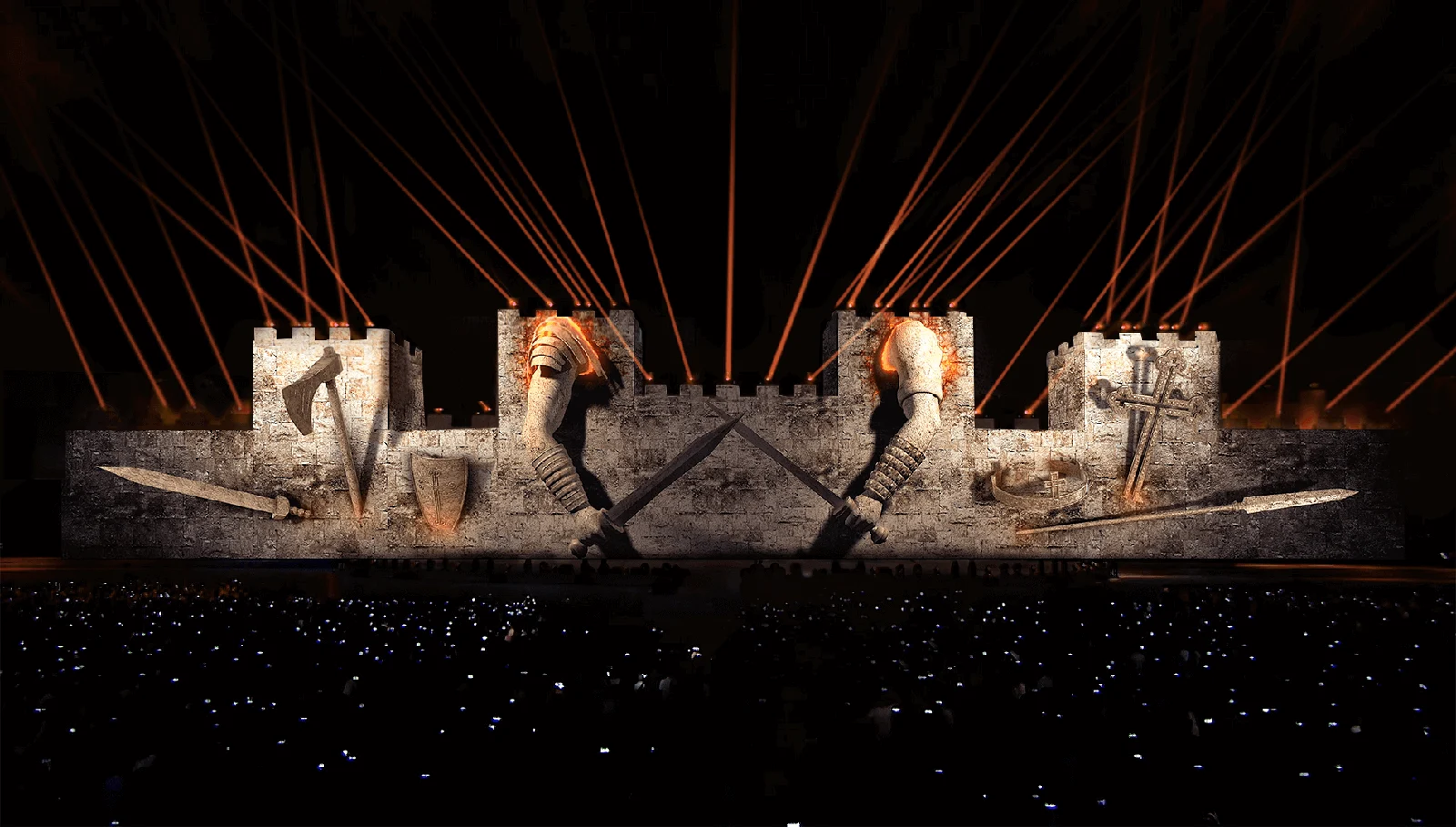
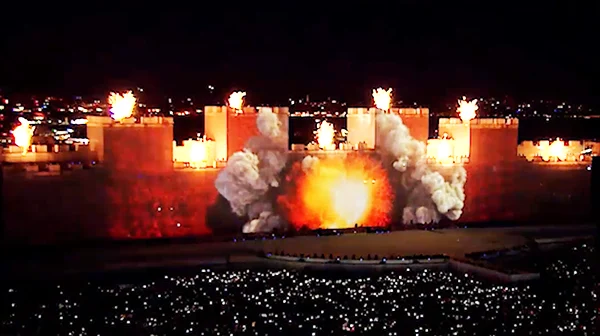
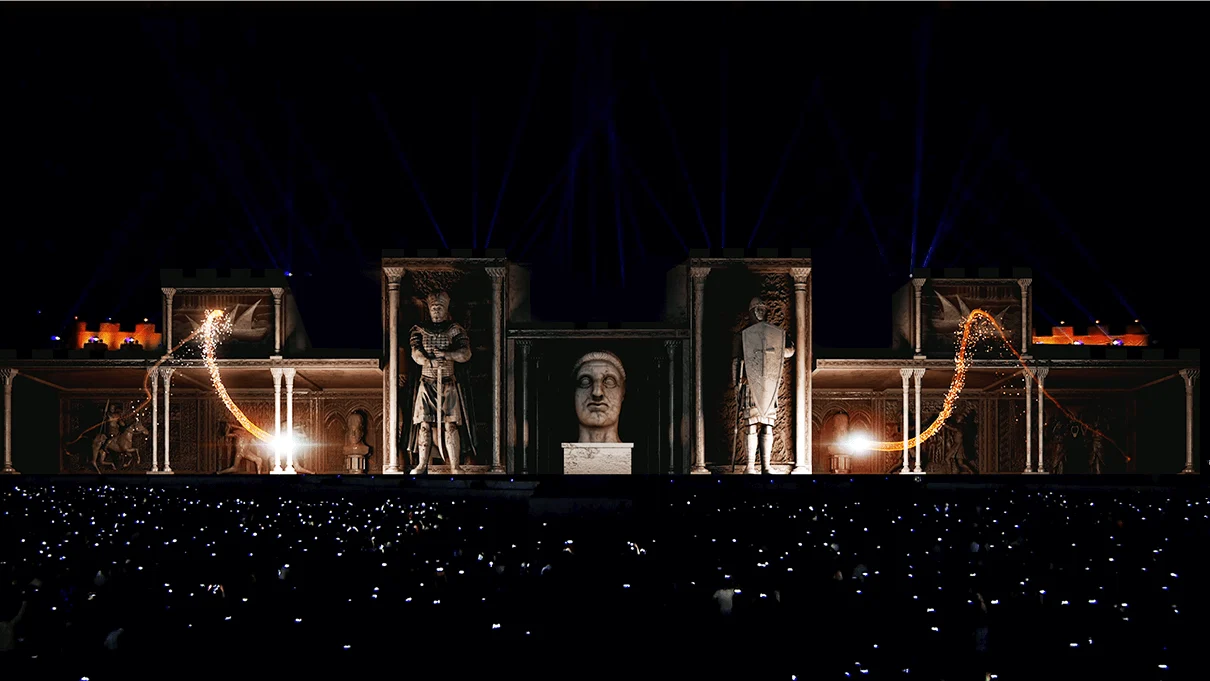
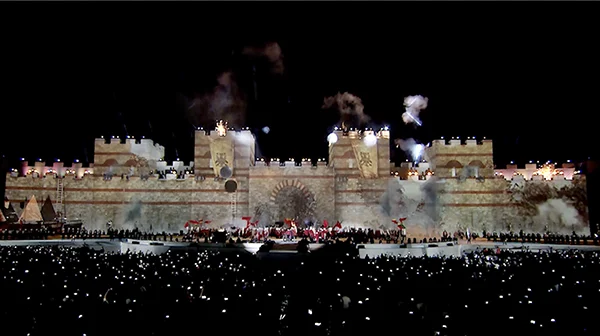
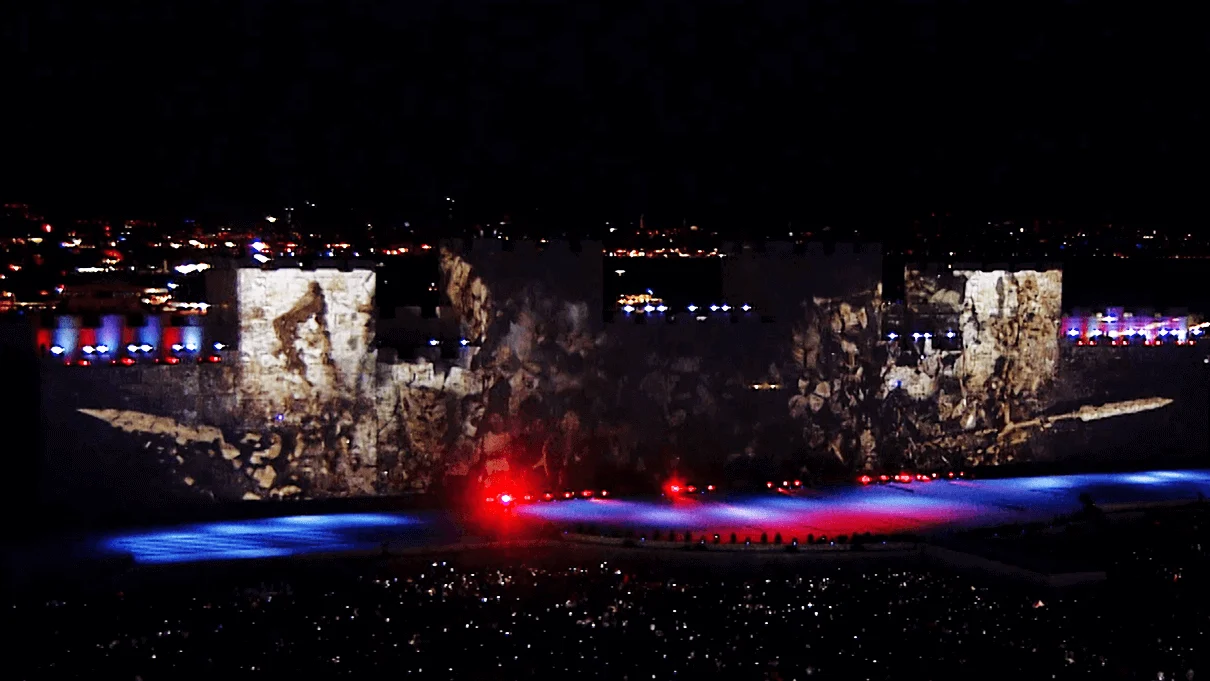
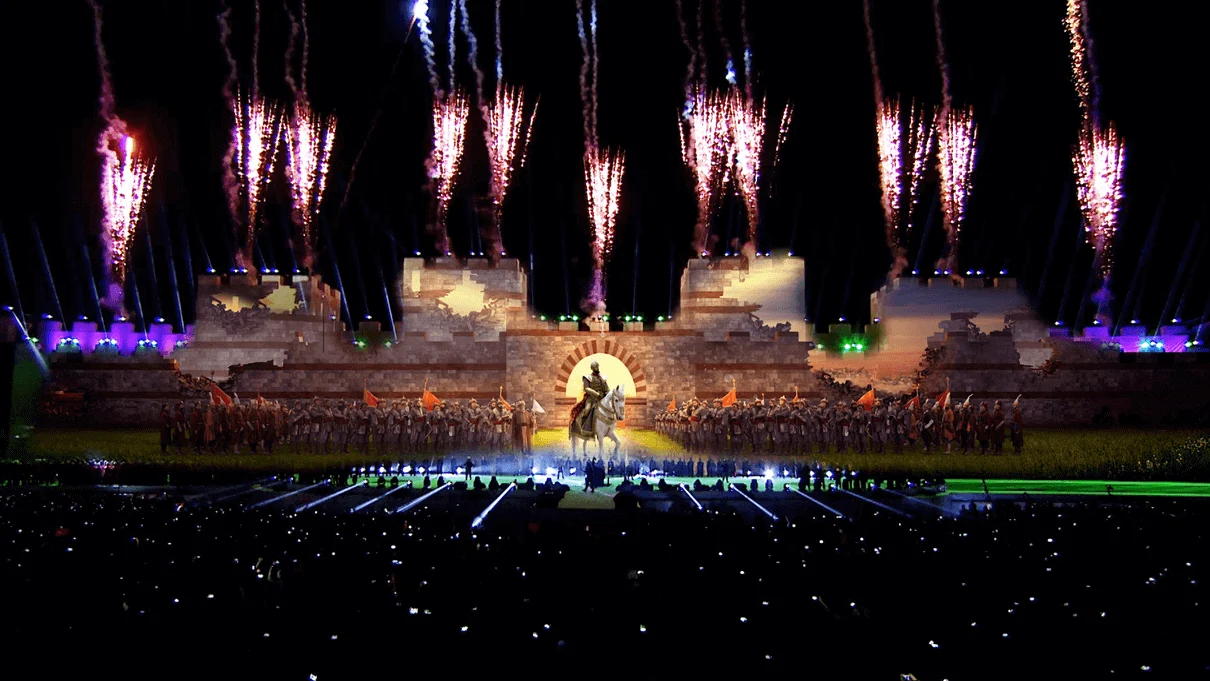
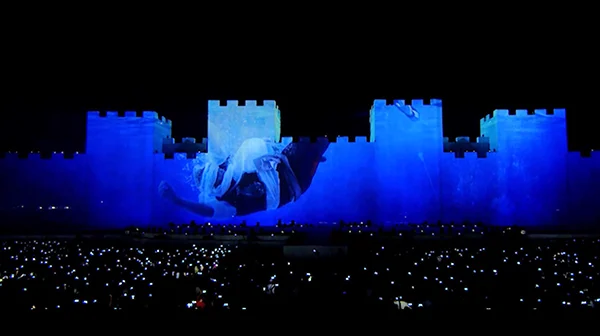
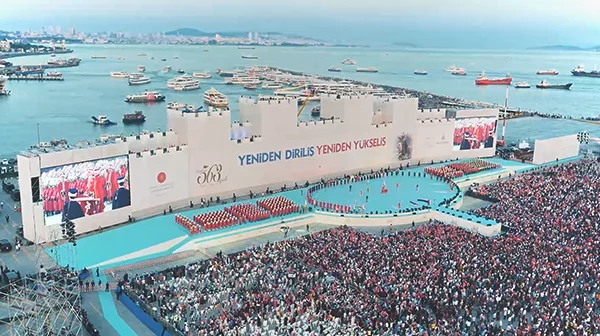
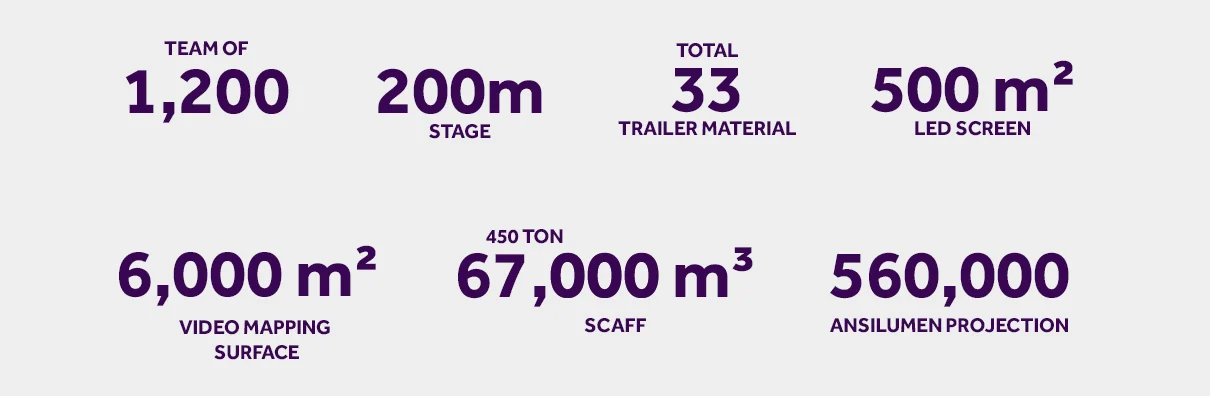
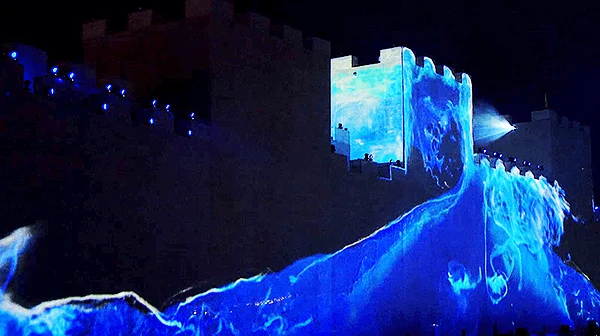
In 2016, Istanbul witnessed one of the largest and most intricate video projection mapping events ever produced, commemorating the 563rd anniversary of the conquest of Constantinople. As the Lead Technical Director, I had the immense privilege, and challenge, of steering this colossal project to completion. It was a feat of engineering, artistry, and technical innovation, achieved in an astonishingly short time frame of just 40 days.
This blog post offers a behind the scenes look at the challenges we faced and the solutions that made the event a reality.
Challenge 1: The Time Crunch
A project of this scale would typically require months of planning, development, and execution. However, we had just 40 days to:
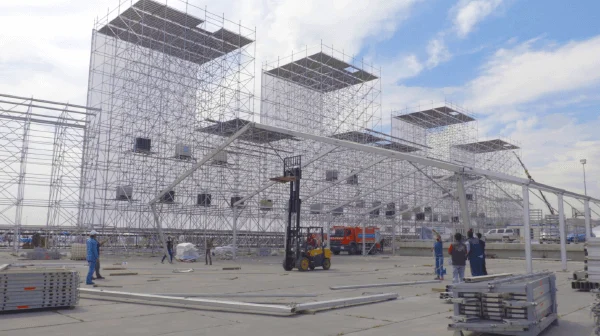
Build a 6,000 m² video mapping surface.
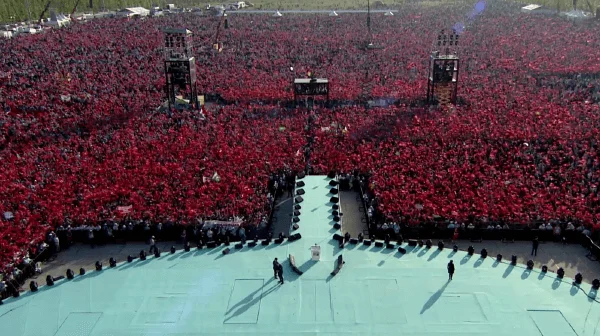
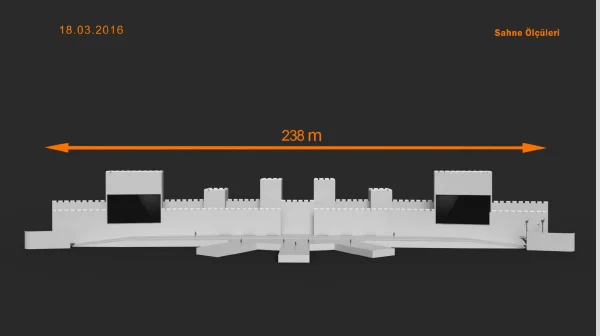
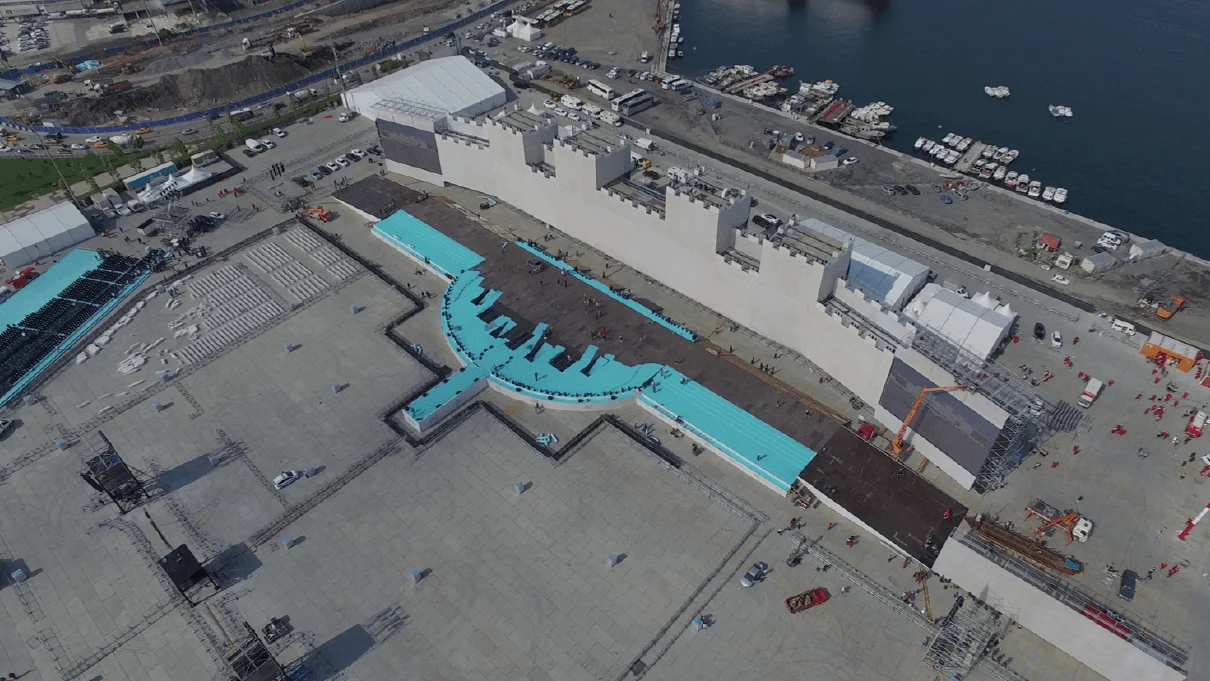
Set up a 200 meter long stage.
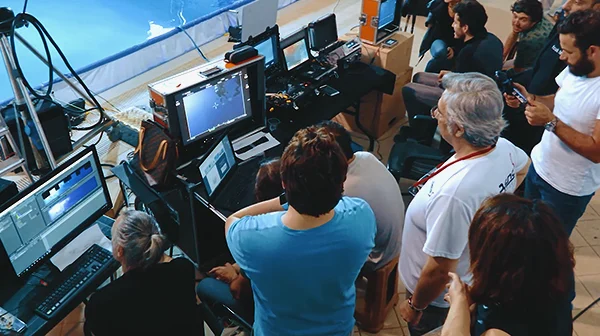
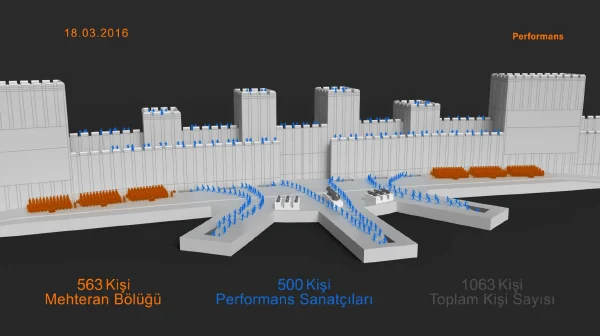
Coordinate a team of 1,200 professionals.
Process, render, and test thousands of high resolution frames.
Time became our most significant constraint, requiring a highly adaptive and agile workflow. Every decision and action had to be optimized for efficiency without compromising the quality of the final production.
Challenge 2: Data and Rendering Complexities
One of the technical hurdles was the sheer size of the project’s assets. Each frame of the projection was an enormous 450 MB, making storage, processing, and rendering incredibly demanding. To put it into perspective:
Thousands of frames had to be rendered for the event.
These frames required extensive simulations and compositing to achieve the desired cinematic quality.
To address these challenges, I spearheaded the integration of 3 powerful rendering systems:
Google Cloud:
Utilized 2,000 nodes for distributed rendering.
Local University Resources:
Leveraged 450 nodes from a university in Istanbul.
Russian Render Farm:
Tapped into an advanced facility with massive processing capacity.
By combining these resources, we ensured that the rendering pipeline remained uninterrupted and could handle the workload within the constrained time frame.
Challenge 3: Virtual Reality Simulation
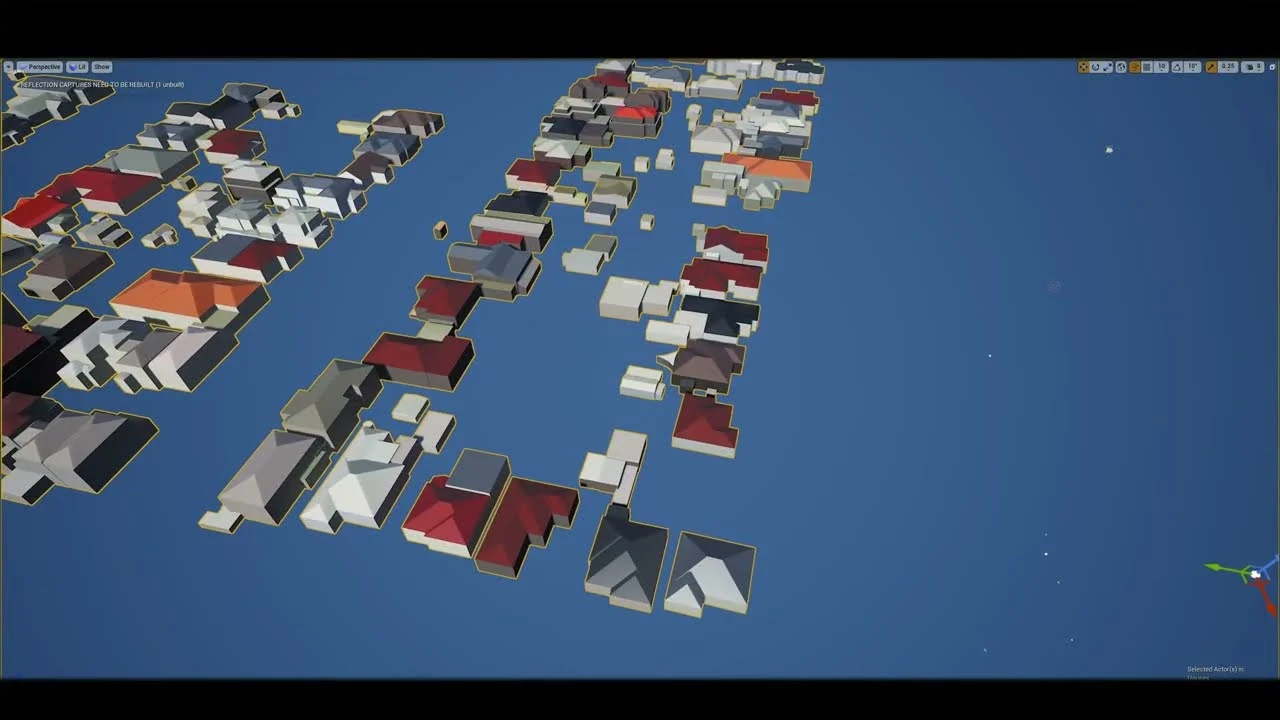
To ensure the feasibility of our plans and minimize errors, I utilized Unreal Engine to create a complete virtual reality simulation of the event. This simulation:
Allowed us to visualize the stage, projections, and technical setups in a realistic 3D environment.
Helped identify potential issues early, enabling us to test solutions and refine designs before implementation.
Became an invaluable tool for communicating technical challenges to the team and stakeholders, ensuring everyone was aligned.
The VR simulation turned out to be one of the most effective ways to streamline our workflow, saving time and resources while enhancing the accuracy of our plans.
Challenge 4: Software Limitations and Innovation
Existing tools, such as Adobe After Effects, were ill equipped to meet the demands of our workflow. For instance, After Effects estimated 3 days to process and split the frames for a single test run, a timeline that was simply untenable.
To overcome this, I developed custom software designed specifically for this project. This software:
Split and cropped the frames to match the projector requirements.
Processed and prepared frames in just 40 minutes, enabling rapid iteration and testing.
This tool was a game changer, allowing us to meet our tight deadlines and maintain a high standard of quality. It eliminated the bottleneck posed by existing software solutions and became a cornerstone of our workflow.
Challenge 5: Balancing Multiple Roles
As the Lead Technical Director, I had to juggle multiple responsibilities, including:
Overseeing the rendering pipeline and simulations.
Troubleshooting technical issues in real time.
Coordinating with artists, engineers, and logistics teams.
Ensuring seamless integration of video mapping content with the physical stage setup.
Every day presented new challenges, requiring quick problem solving and collaboration across disciplines. My role demanded a balance between high level planning and hands on technical work, often switching between tasks multiple times a day to keep everything on track.
Key Technical Achievements
Custom Software Development:
Solved a critical bottleneck by creating a tool that could process frames in minutes instead of days.
Optimized Rendering Workflow:
Integrated diverse rendering resources across three continents to meet the project’s computational demands.
Virtual Reality Simulation:
Utilized Unreal Engine to simulate the project in a virtual environment, reducing errors and improving team coordination.
Scalable Testing:
Enabled frequent testing and iterations despite the massive data requirements, ensuring the final production was flawless.
The Final Result
The Conquest of Istanbul projection mapping event was a monumental success. The 560,000 ANSI lumens projection, paired with 500 m² of LED screens and an awe inspiring 200 meter stage, brought history to life in front of thousands of spectators. Every challenge overcome was a testament to the power of innovation, teamwork, and resilience under pressure.
This project remains one of the most rewarding experiences of my career, showcasing how technology and creativity can merge to create something truly unforgettable.