THE PROJECT STORY
Exploring the Future of AR in Architectural Visualization: My Journey with Unity3D
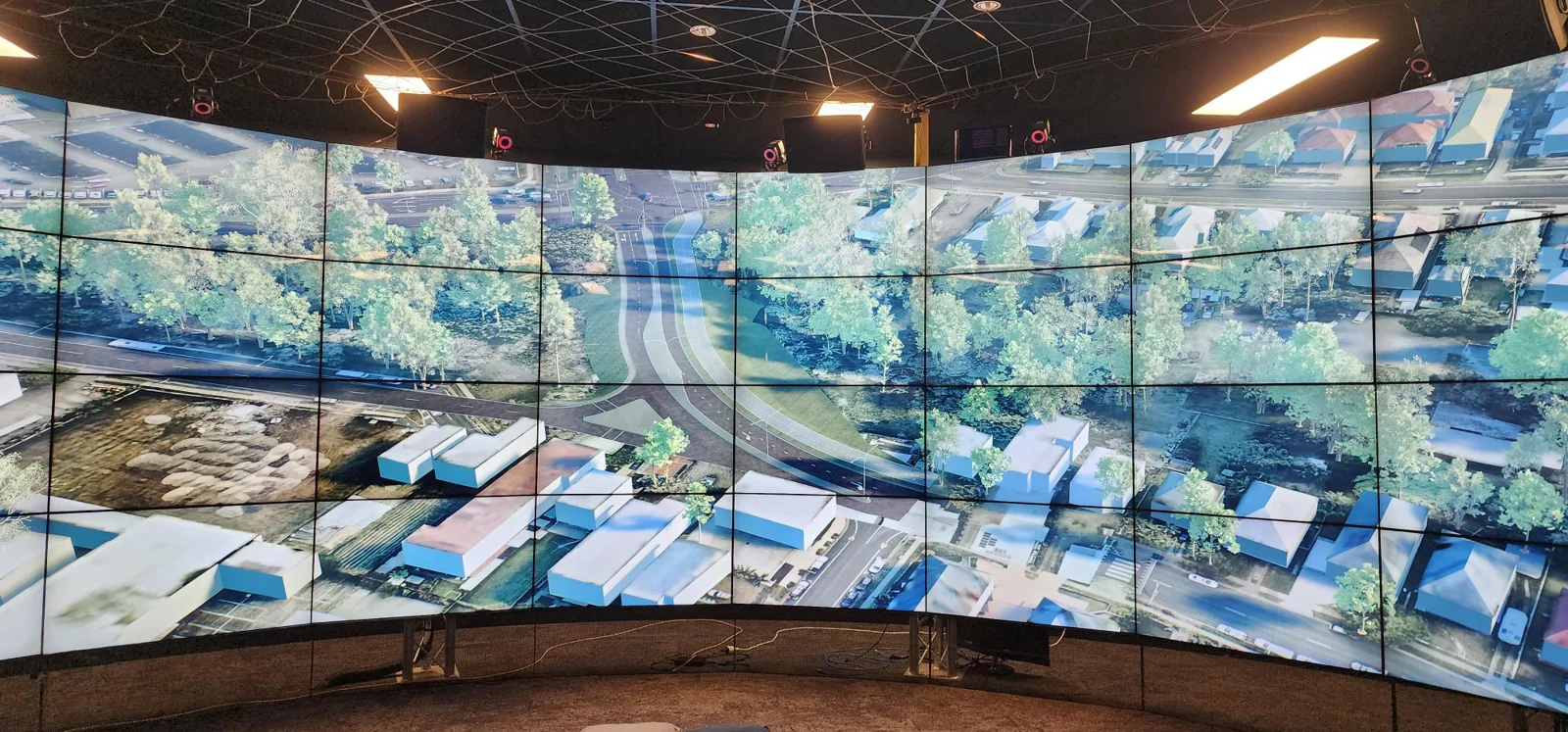
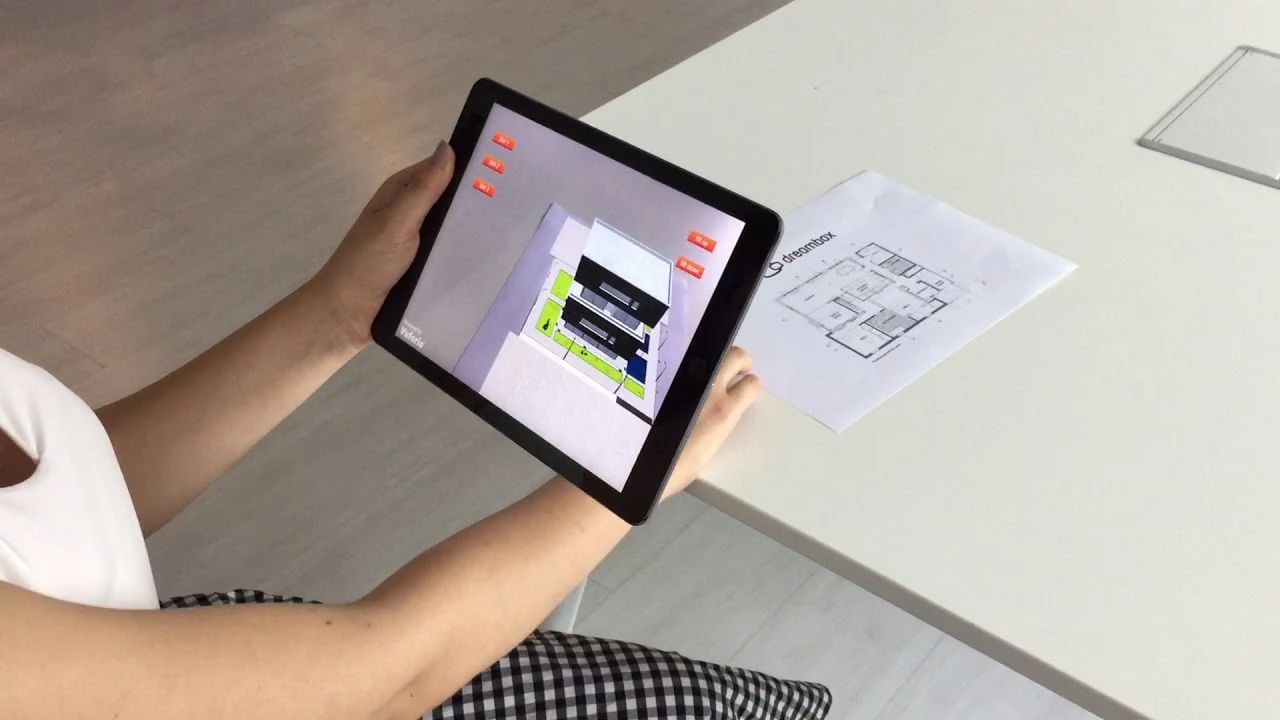
In a world where technology continues to reshape the way we live and work, augmented reality (AR) stands out as one of the most exciting frontiers. With a vision to demonstrate the transformative potential of AR in architectural visualization, I embarked on a project using Unity3D to create an AR app that allows users to walk through house designs and customize them to their liking. This app aims to revolutionize the communication between builders and buyers by enabling early stage collaboration and visualization.
The Vision Behind the App
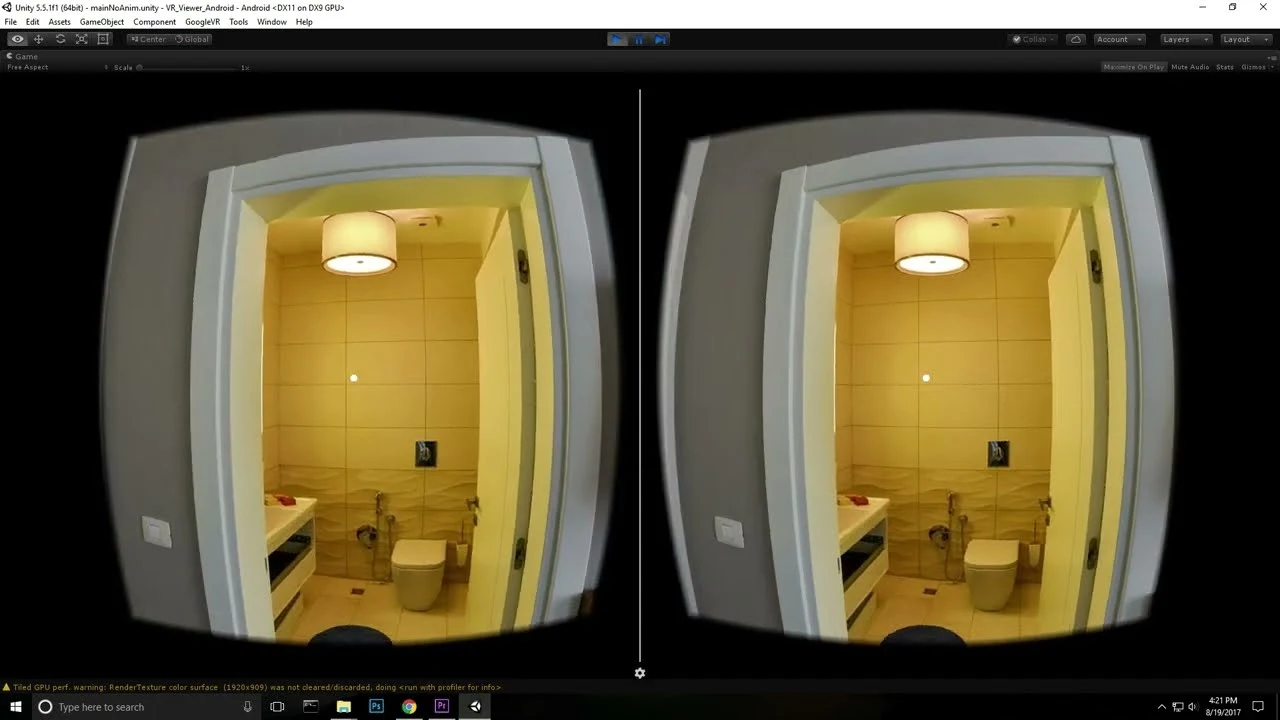
The idea was to empower buyers and builders with a tool that bridges the gap between design concepts and reality. Buyers can now step into a virtual version of their potential home, exploring the layout and making real time changes to colors, patterns, textures, and decorations. This customization ensures that they can come up with their ideal design while seeing exactly how it will look in the finished unit.
Imagine standing in the middle of a virtual living room, changing the wall color with a tap or swapping flooring materials to match your preferences. With this app, users can experiment with various design elements, making the decision making process collaborative and efficient. It’s not just about visualization; it’s about creating a personalized experience that helps buyers feel confident in their choices.
Technical Aspects: Building the App
Developing the app with Unity3D was both a challenge and a thrill. Here’s an overview of the technical process:
Choosing the Right AR Framework: Unity3D’s AR Foundation provided the foundation for building a cross platform app compatible with both iOS and Android. This ensured a smooth and consistent AR experience across devices.
Creating 3D Models and Materials: Using tools like Blender and Unity’s ProBuilder, I developed 3D models of house interiors and applied customizable materials. The models were optimized for mobile performance without compromising on visual quality.
Real Time Customization Features: Users can interact with the environment by selecting options from a menu. For example, tapping on a wall opens a palette of colors, while tapping on furniture reveals different material and pattern options. These changes are rendered instantly in AR.
UI/UX Design: Designing an intuitive interface was critical. The app features a clean layout with easy to navigate options, ensuring that users of all technical skill levels can engage with the customization tools effortlessly.
Immersive Walkthroughs: The app utilizes AR plane detection and spatial mapping to anchor the house model in the user’s space. Users can physically walk through the design, experiencing the dimensions and layout as if they were there in person.
Endless Use Cases Beyond Real Estate
While my project focuses on architectural visualization, the applications of AR are virtually limitless:
Interior Design: AR can assist designers in showcasing their concepts and helping clients visualize changes before implementation.
Retail: Virtual showrooms allow customers to see how products fit into their space.
Education: AR can teach architectural concepts and design principles in an interactive way.
Event Planning: Visualizing event setups in AR helps planners and clients collaborate effectively.
Manufacturing: AR can aid in visualizing prototypes and assembly processes.
Why AR is a Game Changer for Architectural Visualization
Traditional methods of showcasing architectural designs often rely on blueprints, 3D renders, or physical models. AR takes this a step further by offering:
Immersion: Buyers can experience a realistic sense of scale and space.
Customization: Real time changes help align designs with client preferences.
Efficiency: Builders and designers can address client feedback early, reducing costly revisions.
Confidence: Buyers feel more involved and assured about their decisions.
Reflections and Future Plans
Developing this app was a rewarding experience that highlighted the incredible potential of AR in bridging the gap between imagination and reality. The positive feedback from users reinforced my belief in the transformative power of AR.
Looking ahead, I aim to expand the app’s features to include multi user collaboration, where builders and clients can interact within the same virtual space. I also plan to integrate more advanced customization options, such as lighting simulations and furniture placement tools.
Conclusion
Augmented reality is not just a technological novelty; it’s a powerful tool that can redefine industries. Through this project, I hope to inspire architects, builders, and developers to explore the endless possibilities of AR. Together, we can create a future where design and communication are seamless, efficient, and deeply engaging.